Unlock the Power of NFTs: A Beginner's Guide to Digital Ownership in 2025

Unlock the Power of NFTs: A Beginner's Guide to Digital Ownership in 2025

By: Expert Contributor | Updated on: 2025-08-10
Embark on a thrilling journey into the captivating world of Non-Fungible Tokens (NFTs)! In today's rapidly evolving digital landscape, NFTs represent a paradigm shift in how we perceive ownership and value, transcending traditional notions of asset possession. This comprehensive guide will demystify the concept of NFTs, providing a clear and inspirational path for beginners to not only understand their potential but also navigate the complexities of this burgeoning market. Forget confusing jargon; we're breaking it down in simple terms, empowering you to explore this exciting new frontier with confidence. Prepare to be amazed by the transformative possibilities! The rise of the metaverse, the increasing integration of blockchain technology into everyday life, and the growing acceptance of digital assets as legitimate forms of ownership have all contributed to the explosion in popularity and potential of NFTs. This guide aims to equip you with the knowledge to understand this evolving landscape and make informed decisions.
The world of digital assets is booming, and NFTs are at the forefront of this revolution. They're not just another fleeting internet trend; they're fundamentally transforming how we interact with digital art, collectibles, virtual real estate, in-game items, and even the representation of real-world assets. This guide will illuminate the path toward understanding this transformative technology and equip you with the knowledge to participate meaningfully in its exciting future. We'll delve into the underlying technology, explore the diverse range of use cases, examine the potential risks, and provide concrete steps you can take to navigate this dynamic marketplace responsibly and profitably. This includes understanding the intricacies of different blockchain networks, evaluating the legitimacy of NFT projects, and mitigating the risks associated with market volatility and scams. We'll also explore the emerging legal and regulatory frameworks surrounding NFTs and how they impact their use and ownership.
Key Takeaways
- NFTs represent unique digital ownership, verifiable and secured using the immutable ledger of a blockchain. This verifiable scarcity, a crucial aspect differentiating them from easily replicable digital content, is a core component of their value proposition. The technology ensures authenticity and prevents unauthorized duplication or alteration, providing a level of trust and security that traditional digital assets lack.
- The NFT market is projected to reach astronomical figures by 2026, presenting both significant opportunities and substantial risks. Understanding this duality is critical for responsible participation. The potential for high returns is balanced by the inherent volatility and the potential for losses. Successful navigation requires careful planning, risk assessment, and a comprehensive understanding of market trends.
- Before investing, thorough research into reputable NFT marketplaces, a clear understanding of the technological underpinnings, and a realistic assessment of the inherent risks are paramount. Don't rush into investments without proper due diligence. This includes vetting the project team, understanding the utility of the NFT, and assessing the overall market conditions. A cautious and informed approach is essential.
Table of Contents
- Understanding the Basics of NFTs
- What are NFTs? A Complete & Easy Explanation for Beginners in 2025
- Navigating the NFT Landscape: Understanding Marketplaces and Technologies
- Frequently Asked Questions (FAQ)
- Conclusion
Understanding the Basics of NFTs
NFTs, or Non-Fungible Tokens, are unique digital assets whose authenticity and ownership are verified and secured on a blockchain. Think of them as digital certificates of authenticity for virtually any digital or even physical asset, ranging from digital artwork and collectibles to in-game items, virtual real estate, and even fractionalized ownership of real-world assets like art or property. Unlike cryptocurrencies like Bitcoin, which are fungible (interchangeable—one Bitcoin is essentially identical to another), each NFT is entirely unique, possessing its own verifiable and immutable identity on the blockchain. This inherent uniqueness is the foundation of their value and a key differentiator from other digital assets. This uniqueness is what grants NFTs their value and makes them so captivating. The underlying technology provides a transparent and auditable record of ownership, enhancing trust and facilitating secure transactions.
"NFTs are not just about the art; they're about community, ownership, the evolution of digital interaction, and the potential for new forms of creative expression and economic models." - Anonymous NFT Collector
What are NFTs? A Complete & Easy Explanation for Beginners in 2025
Imagine owning a one-of-a-kind digital masterpiece, a unique parcel of virtual land in the metaverse, or a rare collectible item—all verifiable and securely stored on a decentralized, transparent ledger. That's the power of NFTs. Here’s a more detailed breakdown:
Uniqueness: Each NFT possesses a distinct digital fingerprint, ensured by its unique token ID on the blockchain. No two NFTs are precisely alike, even if they appear visually similar. This inherent uniqueness is fundamental to their value. This uniqueness is often encoded through cryptographic hashing, ensuring its immutability and verifiability.
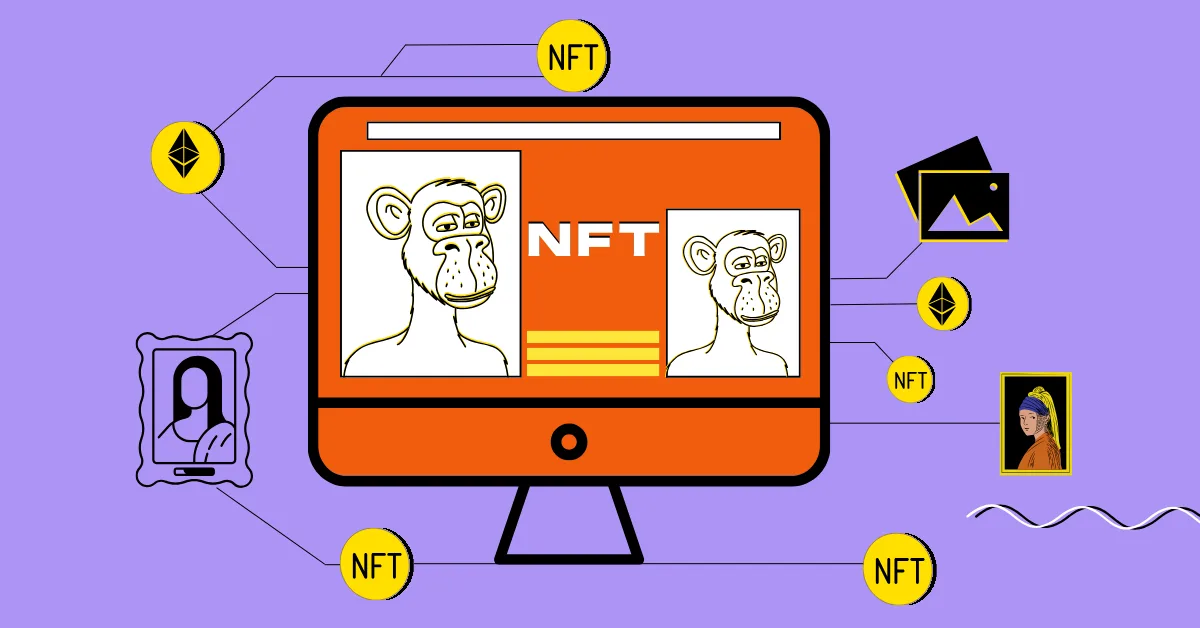
Blockchain Verification: The immutable nature of the blockchain acts as a permanent and transparent record of ownership, eliminating the possibility of duplication or forgery. This verifiable provenance is crucial for establishing trust and value. This transparency allows anyone to verify the authenticity and ownership history of an NFT.
Digital Scarcity: By design, NFTs create digital scarcity, mirroring the value dynamics of physical collectibles and rare items. This controlled supply, coupled with demand, drives value fluctuations. The scarcity is often artificially created through limited mints or controlled releases, creating a sense of exclusivity.
Ownership Transfer: NFTs can be bought, sold, and traded on various specialized marketplaces, allowing for seamless transfer of ownership. These transactions are recorded on the blockchain for complete transparency. The transfer process is usually facilitated through smart contracts, automatically executing the transfer upon confirmation of payment.
Potential Value: The value of an NFT is highly dynamic, influenced by factors such as artist reputation, community engagement, utility within ecosystems (gaming, metaverse access, etc.), market trends, and speculative demand. Understanding these factors is crucial for assessing the potential value and risk of any given NFT. Furthermore, the underlying technology of the blockchain and the platform it resides on also contribute to its value.
💡 Pro Tip: Begin your NFT journey by thoroughly researching reputable and secure NFT marketplaces. Familiarize yourself with different blockchain networks (Ethereum, Solana, Flow, Tezos, etc.) and carefully vet the projects you consider before investing any funds. Never invest more than you can afford to lose. Consider diversifying your portfolio across different projects and platforms to mitigate risk.

Navigating the NFT Landscape: Understanding Marketplaces and Technologies
The NFT landscape is populated by a diverse array of marketplaces, each with its own strengths and weaknesses. Some platforms specialize in digital art, others in collectibles, gaming assets, or metaverse real estate. Understanding the differences between these platforms is crucial for finding the right marketplace for your needs. Factors to consider include transaction fees (gas fees), user interface, security measures, the types of NFTs offered, the community surrounding the marketplace, and the overall reputation of the platform. Researching reviews and comparing features before choosing a platform is highly recommended. Many platforms also offer features like fractional ownership, allowing investors to purchase smaller shares of more expensive NFTs.
Furthermore, different blockchains underpin different NFT ecosystems. Ethereum, for instance, is a pioneer in the NFT space, but other blockchains like Solana, Polygon, Tezos, and Flow offer potentially faster and cheaper transaction speeds, along with unique functionalities and features. Each blockchain has its own strengths and weaknesses in terms of scalability, security, transaction fees, and energy consumption. Understanding these differences will help you choose the platform that best suits your needs and risk tolerance. The choice of blockchain can significantly impact the overall cost and speed of transactions.
Frequently Asked Questions (FAQ)
What are the risks involved in investing in NFTs?
Investing in NFTs carries significant risks. The market is highly volatile, subject to speculative bubbles and rapid price fluctuations. The value of an NFT can plummet dramatically, leading to substantial financial losses. There's also a heightened risk of scams, fraudulent projects, and rug pulls (where developers abandon a project and abscond with investors' funds). The lack of regulation in many jurisdictions adds another layer of complexity and risk. Thorough due diligence, a clear understanding of the market dynamics, and a responsible investment strategy are absolutely crucial to mitigate these risks. Never invest money you cannot afford to lose. Diversification across multiple projects and platforms can help to mitigate some of the inherent risk.
How can I protect myself from NFT scams?
Protecting yourself from NFT scams requires a multi-pronged approach. First, always conduct thorough research on any project before investing. Verify the project's legitimacy through independent sources, examine the team's background, and analyze the project's whitepaper (a detailed document outlining the project's goals and technology). Look for red flags such as unrealistic promises, anonymous teams, or lack of transparency. Only use reputable NFT marketplaces and wallets, and be cautious of unsolicited messages or offers. Consider consulting with a financial advisor before making any significant investments in NFTs. Always verify the official website and social media accounts to avoid phishing scams.
Conclusion
The world of NFTs is brimming with potential, offering a gateway to a new era of digital ownership, creative expression, and community building. While understanding the intricacies of blockchain technology and market dynamics is essential, the core concept of NFTs—unique digital ownership—is remarkably straightforward. By carefully researching, approaching this exciting technology with a spirit of responsible investment, and constantly educating yourself on the latest trends and risks, you can unlock the potential to participate in a groundbreaking movement reshaping our digital future. Embrace the journey, explore the opportunities responsibly, and become a part of the ever-evolving NFT revolution, but always remember to proceed cautiously and protect your investment. Stay informed about the latest developments in the NFT space and adapt your strategies accordingly. The future of NFTs is constantly evolving, and continuous learning is key to success.