Is the Metaverse the Next Big Thing? A Vision of the Future

Is the Metaverse the Next Big Thing? A Vision of the Future

By: Expert Contributor | Updated on: 2025-08-10
The Metaverse: a term buzzing with potential, yet shrouded in a veil of uncertainty. Is it a revolutionary leap forward, destined to reshape our reality, or a fleeting technological trend destined for obsolescence? This question lies at the heart of a fervent debate captivating tech enthusiasts, investors, futurists, and even policymakers worldwide. The truth, as with most transformative technological advancements, likely resides somewhere between the extremes of utopian dreams and cynical dismissal. The Metaverse undeniably holds immense possibilities, offering a tantalizing glimpse into a future brimming with interconnected experiences and innovative applications across diverse sectors. However, its ultimate success hinges on effectively navigating a complex landscape of technological, social, ethical, and economic hurdles. This exploration delves into the very core of this technological frontier, unveiling both its breathtaking potential and the significant challenges that lie ahead, offering a nuanced perspective on this rapidly evolving digital landscape and its potential impact on various aspects of human life.
Key Takeaways
- The Metaverse's potential spans numerous sectors, from entertainment and education to commerce, healthcare, and even scientific research, offering unprecedented opportunities for connection, collaboration, and innovation on a scale previously unimaginable. Its impact could revolutionize how we learn, work, socialize, and even experience the world around us, potentially leading to new forms of artistic expression, scientific discovery, and economic activity. The possibilities extend beyond mere entertainment, encompassing transformative potential in fields requiring high levels of collaboration and simulation, such as medical training and engineering design.
- Recent market analyses project the Metaverse market to reach a staggering $800 billion by 2024, a figure that underscores the substantial investment and belief in its transformative potential by major corporations and venture capitalists alike. This substantial financial commitment indicates a strong conviction in the Metaverse's long-term viability and its capacity to disrupt existing markets, potentially creating entirely new industries and economic opportunities. This level of investment also highlights the competitive landscape emerging within the Metaverse, with companies vying for market dominance and influence.
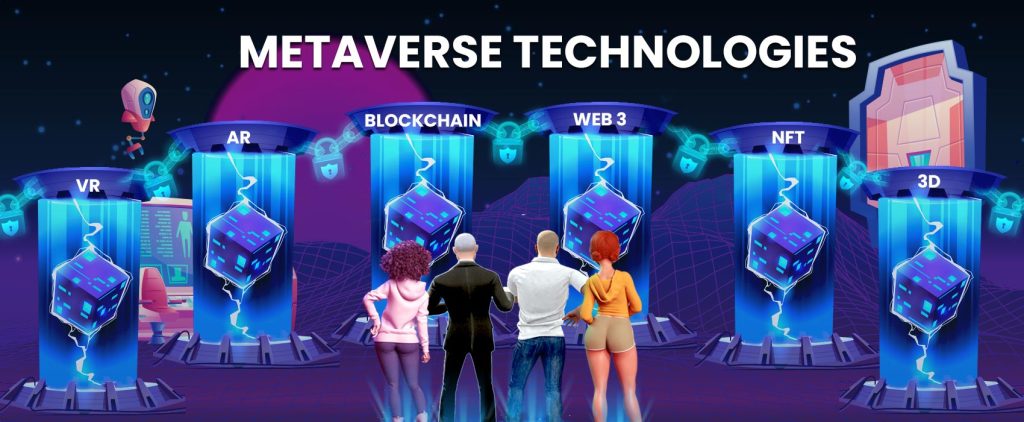
- Successfully navigating and thriving in the evolving Metaverse landscape requires a commitment to continuous learning and adaptation. Understanding its core technologies—including virtual reality (VR), augmented reality (AR), extended reality (XR), blockchain, and artificial intelligence (AI)—and staying abreast of emerging applications are paramount to seizing the opportunities it presents. This necessitates not only technological literacy but also a proactive approach to understanding the ethical and societal implications of this transformative technology, including considerations of accessibility, inclusivity, and responsible development. Continuous professional development and a willingness to embrace new skills will be crucial for individuals and businesses seeking to participate effectively in this rapidly changing environment.
Table of Contents
- Understanding the Metaverse's Core Concepts
- Metaverse: Technology of the Future or Just a Passing Hype? Navigating the Challenges
- Frequently Asked Questions (FAQ)
- Conclusion
Understanding the Metaverse's Core Concepts
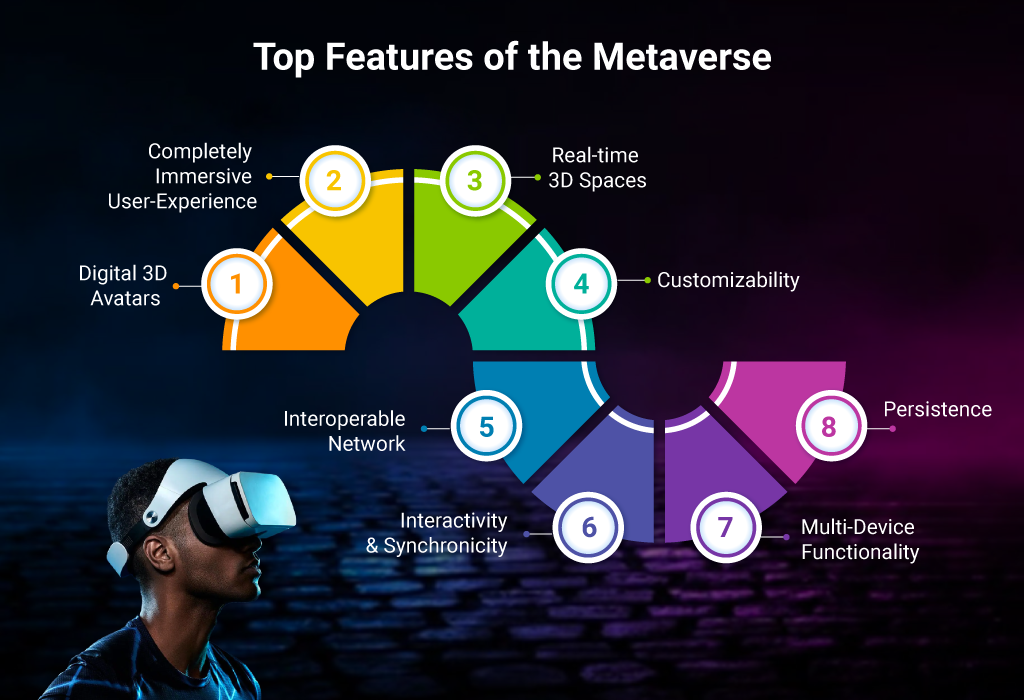
The Metaverse is not simply a single platform; it's a vision of a persistent, shared, 3D virtual world accessible through a variety of devices, including VR headsets, AR glasses, smartphones, smartwatches, tablets, and even traditional computer interfaces. Imagine a seamless blend of augmented reality (AR), which overlays digital information onto the real world, and virtual reality (VR), encompassing the broader concept of extended reality (XR), which encompasses all immersive technologies. This fusion creates immersive experiences that blur the lines between the digital and physical realms, offering possibilities far exceeding the limitations of current technologies. This interconnected network facilitates interactive experiences, fosters new forms of communication and collaboration, and enables the secure ownership and trading of digital assets, often in the form of Non-Fungible Tokens (NFTs). Underlying this interconnected world is frequently blockchain technology, a decentralized and secure system that guarantees the authenticity and provenance of digital assets. This foundation of security and transparency is vital to building trust and ensuring the integrity of transactions within the Metaverse, mitigating risks associated with fraud and counterfeiting. Furthermore, the integration of AI is expected to play a pivotal role in personalizing user experiences and enhancing the overall functionality of the Metaverse.
"The Metaverse is not just about games; it’s about building a new reality, a place where innovation knows no bounds, a future crafted by our collective imagination, and a space where the boundaries of physical limitations are transcended." - Anonymous Futurist
Metaverse: Technology of the Future or Just a Passing Hype? Navigating the Challenges
While the potential benefits of the Metaverse are vast, numerous significant challenges threaten its widespread adoption and long-term success. Interoperability, the ability of different Metaverse platforms to seamlessly connect and share data, is arguably the most crucial hurdle. Without robust interoperability, the Metaverse risks becoming a fragmented collection of isolated virtual islands, hindering its potential to become a truly unified and expansive digital ecosystem. This lack of seamless integration could stifle innovation and limit the potential for widespread user adoption. Furthermore, accessibility remains a major concern. Current VR and AR technologies often require expensive equipment, thereby excluding a significant portion of the global population from participating, potentially exacerbating existing digital divides. Bridging this digital divide and developing more affordable and inclusive technologies are paramount to realizing the Metaverse's full potential and ensuring its benefits are shared broadly. This includes considerations of both the cost of hardware and the accessibility of internet infrastructure.
Beyond technological limitations, significant ethical and societal challenges must be addressed. Concerns surrounding data privacy, security, and the potential for misuse of personal information within immersive environments require careful consideration and proactive mitigation strategies. The potential for the spread of misinformation and the creation of echo chambers within the Metaverse also necessitates the development of robust mechanisms for content moderation and fact-checking. This requires a thoughtful approach to content regulation that balances freedom of expression with the need to protect users from harmful content. Furthermore, the potential for exacerbating existing social inequalities, through unequal access to technology and opportunities, must be actively addressed to ensure the Metaverse serves as a force for inclusivity and positive societal impact. This requires proactive measures to promote digital literacy and address issues of digital equity. Regulation plays a critical role in establishing a framework that balances innovation with consumer protection and ethical considerations, ensuring a safe and responsible environment for users. The legal and regulatory frameworks need to adapt to this new digital landscape, considering issues such as intellectual property rights, data ownership, and virtual world governance.
💡 Pro Tip: Stay informed about the latest developments in VR/AR/XR technology, blockchain, AI, and digital asset management to navigate the ever-evolving landscape of the Metaverse effectively. Engage with industry leaders, research institutions, and ethical discussions to foster a responsible approach to its development and implementation. Actively participate in shaping the future of the Metaverse by contributing to open discussions and advocating for ethical and inclusive development practices.
Frequently Asked Questions (FAQ)
What are the biggest risks associated with the Metaverse?
The biggest risks associated with the Metaverse extend beyond technological hurdles to encompass significant social, ethical, and security concerns. The potential for large-scale data breaches, the exploitation of vulnerable users, and the spread of misinformation and harmful content pose major threats. The lack of robust regulatory frameworks and clear ethical guidelines creates fertile ground for malicious actors. The potential for addiction and the negative impact on mental health also needs to be considered. Addressing these risks requires a multi-pronged approach involving collaboration between technology developers, policymakers, regulators, and civil society organizations. This collaborative effort should focus on implementing strong security measures, establishing clear ethical standards, and developing mechanisms for effective content moderation and accountability. The potential for the Metaverse to be used for illegal activities, such as money laundering and the sale of illegal goods, requires careful consideration and the development of strategies to mitigate these risks. Additionally, the potential for the Metaverse to exacerbate existing societal inequalities, through unequal access to technology and opportunities, necessitates proactive measures to promote inclusivity and digital equity. The development of robust mechanisms for addressing disputes and conflicts within the Metaverse is also crucial.
Conclusion
The Metaverse is not a simple binary proposition; it's a multifaceted and evolving technology with transformative potential that demands careful consideration. While the hype surrounding it necessitates a balanced perspective, the potential to revolutionize numerous aspects of our lives, from education and healthcare to entertainment and commerce, remains undeniable. However, realizing this potential requires a commitment to responsible development, a focus on addressing accessibility concerns, and proactive engagement with the ethical and societal implications of this new digital frontier. By fostering collaboration between technologists, policymakers, and the broader community, we can harness the power of the Metaverse to create a more interconnected, equitable, and ultimately, more enriching future for all. The journey to a fully realized Metaverse will undoubtedly be challenging, requiring navigation through complex technological and social landscapes; however, the potential rewards, if we proceed wisely and responsibly, hold incredible promise for the future of human experience. The Metaverse is not merely a technological advancement; it represents a new frontier of human interaction and potential waiting to be explored, shaped, and defined by our collective efforts. The success of the Metaverse will depend on the ability of stakeholders to address the challenges and harness its potential for positive societal impact.