Decoding the Mayor of Kingstown: Power, Prisons, and the McLusky Family Dynasty

Table of Contents
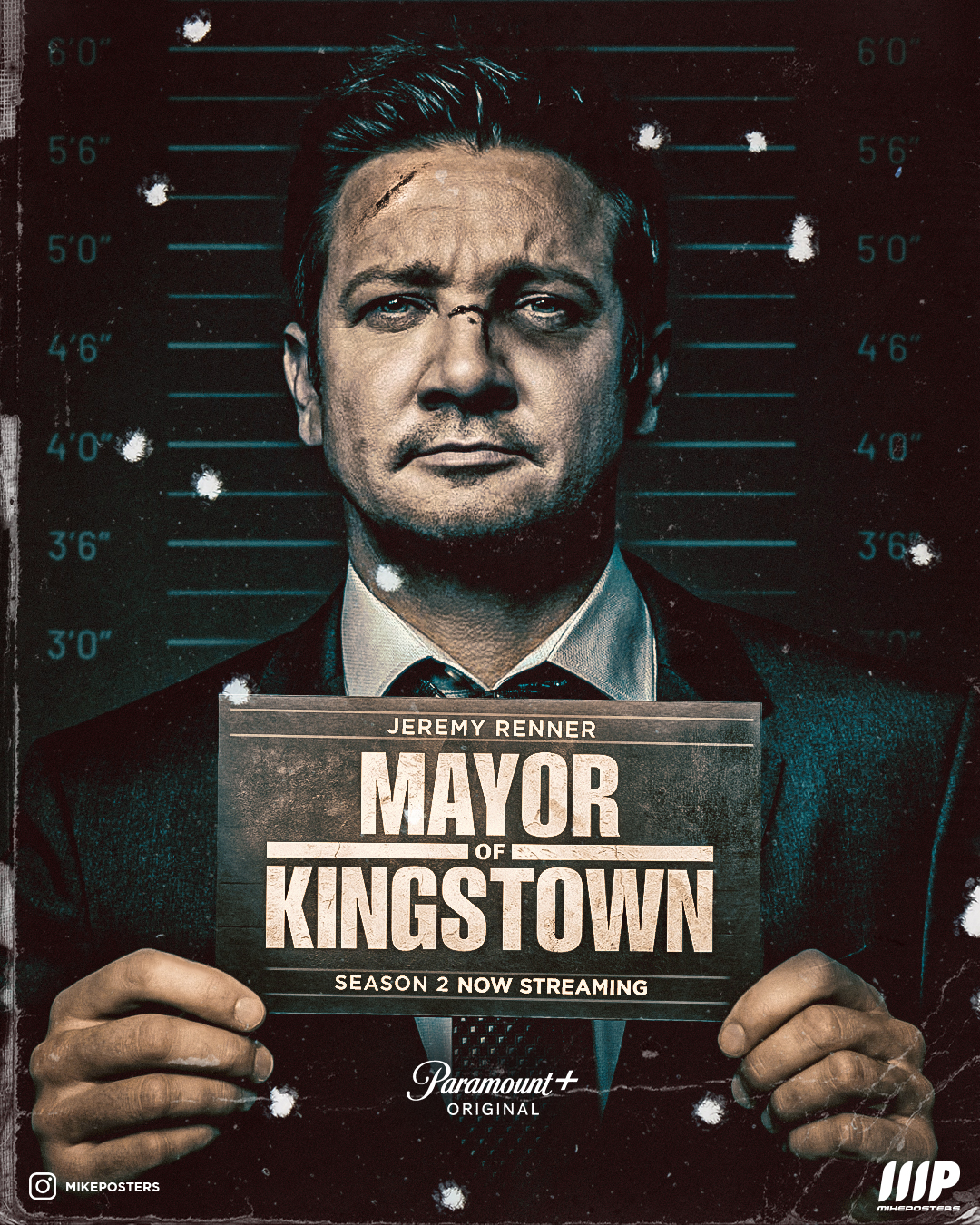
Paramount+'s Mayor of Kingstown transcends the typical political thriller, eschewing the polished veneer of Washington D.C. power plays for the grim, gritty reality of Kingstown, Michigan. In this town, the prison system isn't merely a societal institution; it's the economic lifeblood, a churning engine that dictates the town's rhythm and fuels its unique power structure. Forget carefully crafted speeches and press conferences; this show plunges viewers into a raw, unflinching portrayal of strategic maneuvering, brutal pragmatism, and the often-invisible hands that manipulate the levers of influence within this isolated, self-contained ecosystem. This exploration delves into the intricate complexities of Kingstown's power dynamics, focusing on the McLusky family and their role as the de facto rulers of this volatile, morally ambiguous town. The series challenges viewers to confront uncomfortable truths about the nature of power, the pervasiveness of corruption, and the seemingly insurmountable challenges of reforming systems built on inequality and exploitation.
The Illusion of Order: Kingstown's Untraditional Power Structure
The title "Mayor of Kingstown" is a misnomer, a provocative label that underscores the show's central theme: power in its rawest, most unfiltered form. There's no elected official holding this title; instead, the position—and the immense, albeit informal, power that comes with it—is occupied by the McLusky family. They hold no elected office, yet their influence permeates every facet of Kingstown’s existence. They are the mediators in violent disputes between rival gangs within the prison walls, the shadowy figures brokering deals between incarcerated individuals and the outside world, navigating a complex web of alliances and betrayals. Their role is a precarious one, acting as a fragile, sometimes brutally enforced, peacekeeper in a town perpetually teetering on the brink of chaos. Their word carries weight, even if it lacks the formal backing of law. This system, built on a foundation of intricate connections and a carefully cultivated network of influence, functions as an effective, if morally reprehensible, form of governance.
The McLuskys maintain their power not through democratic processes or legal frameworks, but through a complex interplay of leverage, intimidation, and the strategic deployment of their family’s vast resources and carefully cultivated relationships. They possess an intimate understanding of Kingstown’s unspoken rules, a mastery of the intricate social fabric that allows them to manipulate events to their advantage. Their power is not explicitly granted; it's seized, maintained, and constantly renegotiated through a relentless exertion of will and influence. This creates a paradoxical situation where the very foundation of their authority undermines any semblance of legitimate governance, leaving a power vacuum that ironically only further solidifies the McLusky family’s de facto control. The show brilliantly portrays how this lack of formal authority paradoxically strengthens their position, allowing them to operate outside the constraints of traditional power structures and operate with a degree of impunity.
The McLusky Family: A Legacy of Power and Dysfunction
The brilliance of Mayor of Kingstown lies in its unflinching portrayal of the McLusky family’s intricate internal dynamics. These dynamics aren't merely a compelling narrative device; they are the engine that drives the plot and shapes the very nature of Kingstown’s power structure. Mike McLusky, the central character, embodies the family's pragmatic ruthlessness and strategic acumen. He navigates Kingstown's treacherous landscape with a blend of calculated aggression and shrewd negotiation, constantly aware of the delicate balance he must maintain to preserve his family’s hard-won power. His actions are often morally gray, highlighting the complexities of operating within a system built on corruption and violence.
His brother, Kyle, provides a compelling counterpoint. A younger, more impulsive figure, Kyle struggles to reconcile his personal morality with the family's established hierarchy and the brutal realities of their profession. He represents a potential fracturing within the family's unity, a challenge to the established order. Their father, Mitch, remains a powerful, albeit largely unseen, presence, his legacy casting a long shadow over their actions and decisions, shaping their worldview and influencing their strategies. The interplay between these characters – the simmering loyalty, the deep-seated resentments, the unspoken rivalries, and the constant power struggles—is a masterclass in character development. It underscores the complex emotional tapestry woven into the pursuit and maintenance of power within a dysfunctional family.
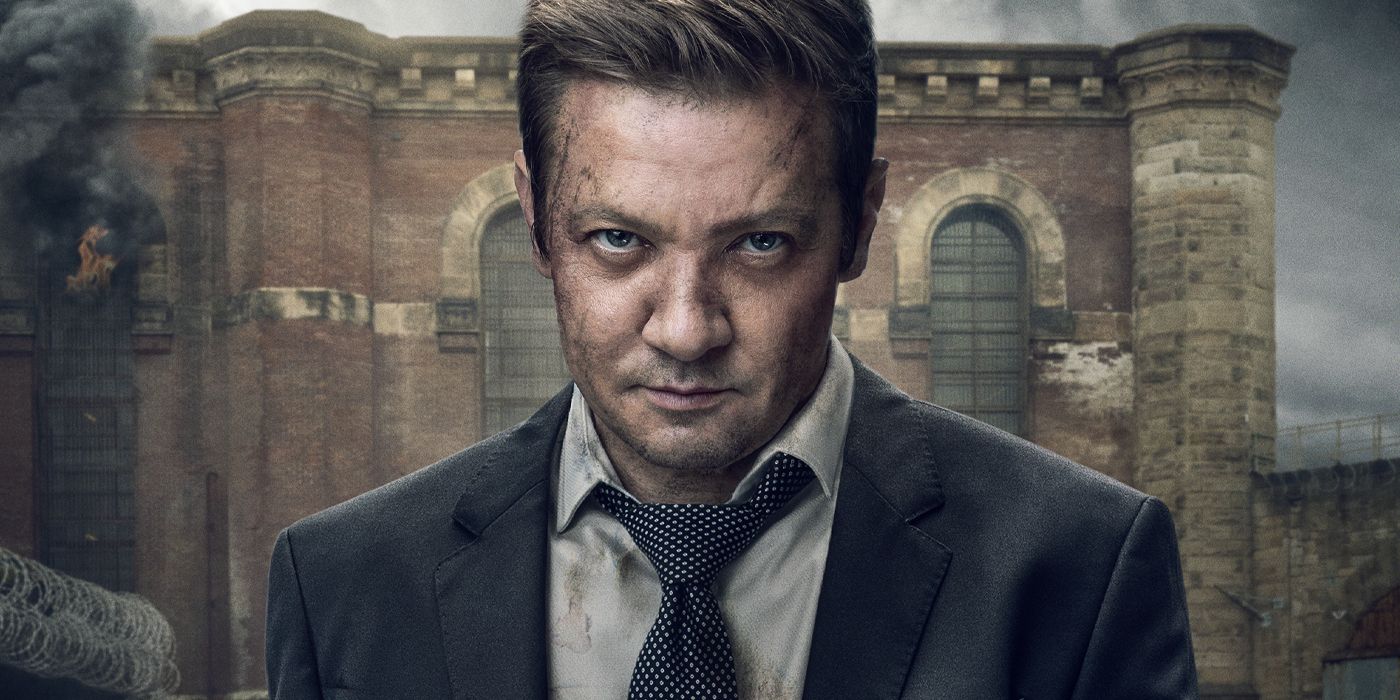
The family's influence extends far beyond their personal relationships. Their ability to control the flow of information, their intimate understanding of the prison system's vulnerabilities, and their encyclopedic knowledge of Kingstown's various factions allow them to maintain a precarious equilibrium. They expertly leverage their connections with politicians, law enforcement officials, and prison staff, ensuring that their interests are always prioritized, regardless of the ethical implications. The McLuskys’ power isn't solely derived from brute force; it's a carefully constructed edifice built upon a network of alliances, strategic partnerships, and a profound understanding of human psychology. They manipulate events from the shadows, exerting their influence without overt displays of dominance. This subtle yet profoundly effective manipulation highlights the show’s exploration of power not as a tangible object, but as a fluid, ever-shifting concept that demands constant negotiation and maintenance.
Beyond the Family: The Wider Network of Influence
The McLusky family's power doesn't exist in a vacuum; they are intricately interwoven into a complex web of interconnected relationships that extend far beyond Kingstown's city limits. The show masterfully depicts the intricate relationships between inmates, guards, politicians, and other powerful figures, highlighting the symbiotic, and often corrupt, relationships between these seemingly disparate groups. Prison guards rely on the McLuskys to maintain order and prevent outbreaks of violence, while politicians turn a blind eye to certain activities in exchange for maintaining the town's precarious stability. This pervasive interconnectedness underscores the systemic corruption that permeates Kingstown's power structure, showcasing how the relentless pursuit of power often transcends any semblance of ethical considerations.
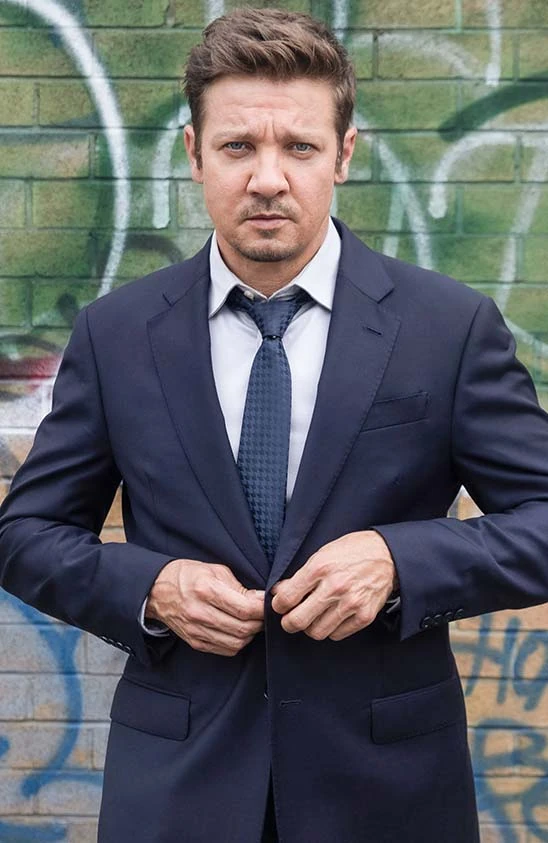
The show subtly, yet powerfully, critiques the wider issues of systemic inequality and injustice within the American prison system. It reveals how the prison-industrial complex generates significant profit while simultaneously perpetuating cycles of poverty, violence, and mass incarceration. The McLuskys are not simply the de facto mayors of Kingstown; they are both products of and contributors to this deeply flawed system. This nuance complicates any simple moral judgment of their actions, forcing viewers to confront the complex ethical dilemmas inherent in a system that allows, and arguably encourages, such powerful yet ethically compromised figures to thrive. The show doesn't shy away from the uncomfortable reality that the McLuskys, despite their questionable methods, are a symptom of a much larger societal problem.
Conclusion: The Unseen Hand of Power
Mayor of Kingstown is far more than a crime drama; it's a scathing social commentary that masterfully explores the insidious nature of power, the corrupting influence of unchecked authority, and the devastating consequences of systemic injustice. The show's true brilliance lies not in its graphic depictions of violence, though it is certainly present, but in its meticulous portrayal of the intricate power dynamics at play – both within the McLusky family and within the broader context of Kingstown. The show doesn't offer easy answers or simplistic solutions; instead, it compels viewers to engage in critical self-reflection, to confront uncomfortable truths about the nature of power, the insidious spread of corruption, and the seemingly insurmountable challenges in reforming systems built upon inequality and exploitation. The McLusky family, with all their flaws and contradictions, serves as a powerful symbol of this complex reality: a family that embodies the acquisition and wielding of power not through legitimate means, but through strategic maneuvering, manipulation, and a ruthless pursuit of self-interest within a system designed to perpetuate its own dysfunction. The show leaves the audience grappling with the uncomfortable questions it raises, long after the credits roll.