BlackRock Shuns XRP and Solana ETFs: A Deep Dive into Regulatory Uncertainty and Market Volatility

Table of Contents
- The Regulatory Labyrinth: A Major Impediment to Institutional Crypto Adoption
- Market Volatility: An Intrinsic Risk Factor for Institutional Investors
- Analyst Perspectives: A Consensus of Caution
- Implications for XRP, Solana, and the Broader Crypto ETF Landscape
- Conclusion: Awaiting Regulatory Clarity and Market Stability
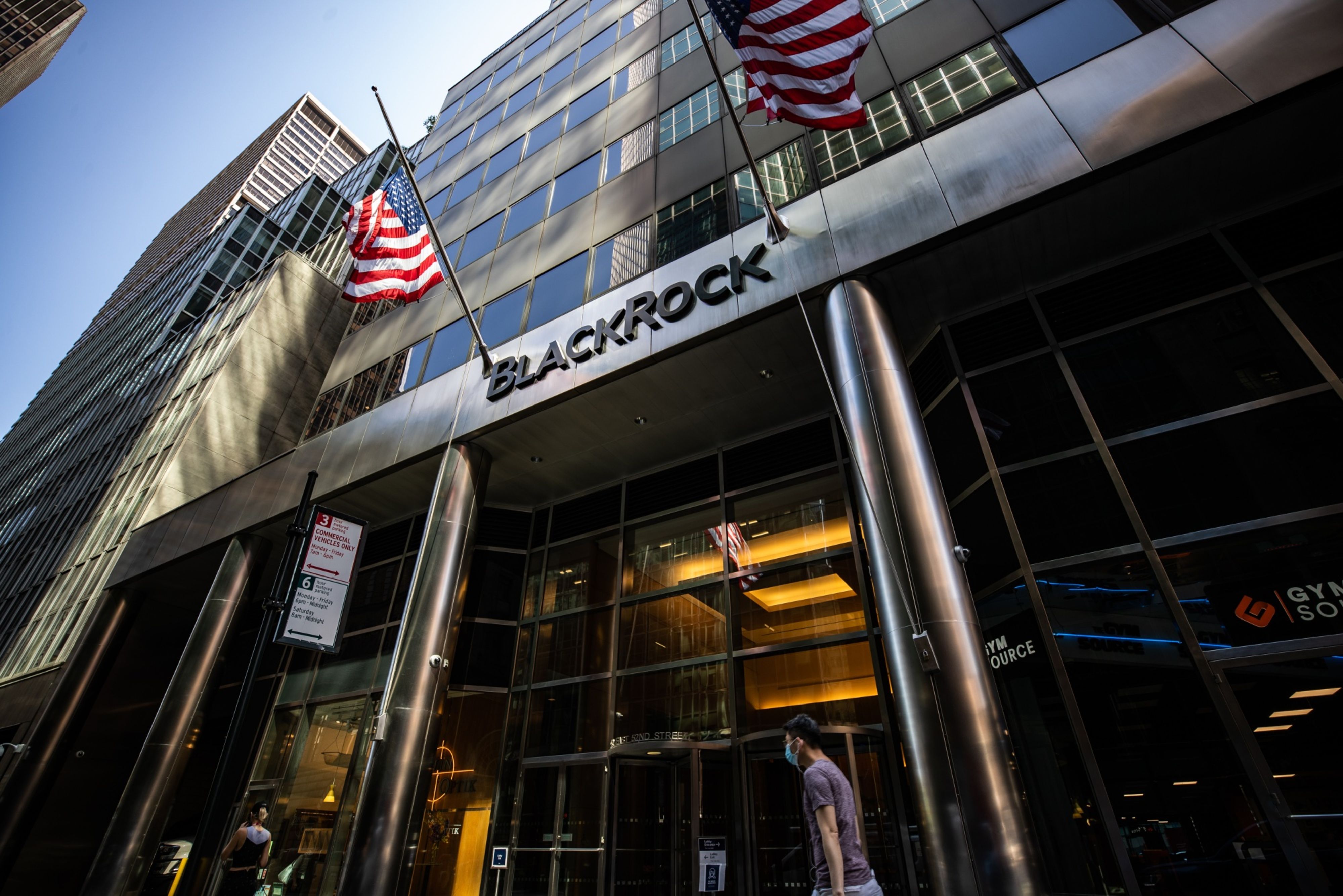
BlackRock, the world's largest asset manager, recently made headlines by declining to launch exchange-traded funds (ETFs) for XRP and Solana. This decision, far from being a minor oversight, reverberated throughout the cryptocurrency market, signifying a calculated strategic retreat driven by the inherent challenges and risks associated with these specific cryptocurrencies and the broader, unresolved regulatory landscape. This in-depth analysis will explore the multifaceted reasons behind BlackRock's decision, incorporating insights from leading crypto analysts, examining the implications for XRP and Solana, and considering the broader ramifications for the future of crypto ETFs, painting a comprehensive picture of the complexities at play.
The Regulatory Labyrinth: A Major Impediment to Institutional Crypto Adoption
BlackRock's cautious approach underscores the paramount importance of regulatory clarity within the volatile cryptocurrency market. The current regulatory environment surrounding cryptocurrencies, particularly in the United States, remains a complex and evolving landscape, characterized by ambiguity and a lack of definitive guidelines. This regulatory uncertainty presents a formidable hurdle for institutional investors like BlackRock, who operate under stringent regulatory frameworks and face substantial legal and reputational risks. The absence of clear legal definitions classifying cryptocurrencies as securities, commodities, or another asset class altogether fosters an environment of ambiguity that actively discourages large-scale investment. This ambiguity is particularly acute for XRP and Solana, both of which have faced intense scrutiny from regulatory bodies, including the Securities and Exchange Commission (SEC).
The SEC's ongoing legal battles with significant players in the crypto space, most notably Ripple (the developer of XRP) and other prominent entities, have dramatically exacerbated this uncertainty. These high-profile legal challenges create a chilling effect, adding a layer of unpredictable risk to any investment in the sector. The potential for unfavorable legal rulings, retroactive regulatory changes impacting past investments, and the sheer unpredictability of regulatory actions all contribute to a high-stakes gamble that BlackRock, known for its risk-averse investment strategy, is understandably hesitant to take. The potential for substantial financial losses coupled with the risk of significant reputational damage if their involvement in a legally challenged cryptocurrency were to backfire outweighs the potential for short-term gains. This prioritization of long-term stability and sustainability over speculative short-term profits is a core tenet of BlackRock's investment philosophy.
Furthermore, the fragmented and inconsistent nature of international regulations significantly complicates matters. The regulatory landscape varies dramatically across different jurisdictions, creating operational complexities for global investment firms like BlackRock. Navigating this intricate web of differing regulations would require a substantial investment in resources, legal expertise, and compliance infrastructure, significantly increasing the cost and complexity of launching and managing a crypto ETF. This additional layer of risk and operational overhead further dissuades BlackRock from proceeding with XRP and Solana ETFs until a greater degree of international regulatory harmonization is achieved, creating a unified and predictable framework for global crypto investment.
Market Volatility: An Intrinsic Risk Factor for Institutional Investors
Beyond the regulatory hurdles, the inherent volatility of the cryptocurrency market poses a considerable challenge for BlackRock's risk-averse investment strategy. Cryptocurrencies, particularly XRP and Solana, are renowned for their significant and rapid price fluctuations, driven by a complex interplay of factors including technological developments, market sentiment, regulatory news, macroeconomic conditions, and even social media trends. This inherent volatility presents substantial risks for institutional investors, who generally have a much lower tolerance for high-risk, high-volatility investments with uncertain returns compared to individual retail investors.
BlackRock's investment strategy is fundamentally predicated on a long-term perspective, aiming for steady, sustainable growth while prioritizing risk mitigation. The unpredictable nature of the cryptocurrency market starkly contrasts with this approach. The potential for substantial losses resulting from sudden and unpredictable market downturns makes cryptocurrencies a less attractive investment option for a firm prioritizing capital preservation and the avoidance of significant financial losses. While the potential for high returns certainly exists, the inherent risk profile of the market makes the risk-reward equation unfavorable for a risk-averse institutional investor like BlackRock. Their decision reflects a considered prioritization of risk management and a strategic effort to avoid potentially significant and destabilizing market fluctuations.
Analyst Perspectives: A Consensus of Caution
Leading crypto analysts largely concur that BlackRock's decision is a rational response to the prevailing regulatory uncertainties and market volatility. These analysts emphasize that the decision does not necessarily reflect a lack of faith in the underlying technology of XRP or Solana but rather acknowledges the significant external factors that outweigh any potential benefits.
"BlackRock’s decision is not a condemnation of XRP or Solana's technological merits," explains a leading crypto analyst, who requested anonymity, "but rather a pragmatic response to the formidable obstacles presented by the current regulatory landscape. The lack of clarity and the inherent legal risks make it impossible for a risk-averse institutional investor like BlackRock to justify the significant financial and reputational risks associated with launching these ETFs." This sentiment is widely echoed across the analyst community, with many pointing to the need for regulatory clarity as a prerequisite for increased institutional involvement in the crypto market.
Other analysts highlight the importance of demonstrable market stability as another critical factor. Until the regulatory ambiguities are resolved, and the market demonstrates greater maturity and reduced volatility, many predict that major institutional investors, including BlackRock, will remain cautious, preferring to observe market developments from the sidelines rather than actively participating in what is currently perceived as a highly volatile and uncertain environment.
Implications for XRP, Solana, and the Broader Crypto ETF Landscape
BlackRock's decision carries significant implications for XRP, Solana, and the broader crypto ETF landscape. For XRP and Solana, the absence of a BlackRock-backed ETF represents a substantial missed opportunity for increased mainstream adoption and potentially higher valuations. The absence of this significant institutional endorsement is likely to negatively impact investor confidence and liquidity in the short term, reducing overall market participation for these two cryptocurrencies.

Moreover, BlackRock’s decision sets a significant precedent for other institutional investors considering entry into the crypto ETF space. It reinforces the perception that the current regulatory environment is too uncertain and risky for large-scale institutional investment. This could delay the launch of other crypto ETFs, potentially hindering the broader adoption of cryptocurrencies by mainstream financial institutions. The lack of institutional support and the perception of high risk could create a self-fulfilling prophecy, further limiting growth and market development in the crypto space until regulatory clarity is established.
Conclusion: Awaiting Regulatory Clarity and Market Stability
BlackRock's decision to shelve its XRP and Solana ETF plans underscores the significant challenges facing the cryptocurrency market. Regulatory uncertainty and inherent market volatility continue to serve as substantial obstacles to broader institutional adoption. While the long-term potential of cryptocurrencies remains a topic of much debate and speculation, BlackRock's cautious approach vividly illustrates the critical importance of regulatory clarity and market stability for attracting substantial institutional investment. The future of crypto ETFs, and indeed the broader trajectory of the cryptocurrency market, hinges on the resolution of these critical issues. Until then, the market will likely remain characterized by a cautious, wait-and-see approach from major institutional players, patiently awaiting the emergence of a clearer and more stable regulatory and market environment.