Orca Trainer Killed: A Comprehensive Examination of Risks and Mitigation Strategies in Orca Interaction

Table of Contents
- Understanding the Complexities of Orca Behavior: A Foundation for Safety
- A Detailed Analysis of Past Incidents: Unraveling Contributing Factors
- Current Safety Measures and Ongoing Refinements: A Continuous Evolution
- The Ethical Considerations of Orca Captivity: A Necessary Discussion
- Conclusion: A Path Towards Coexistence
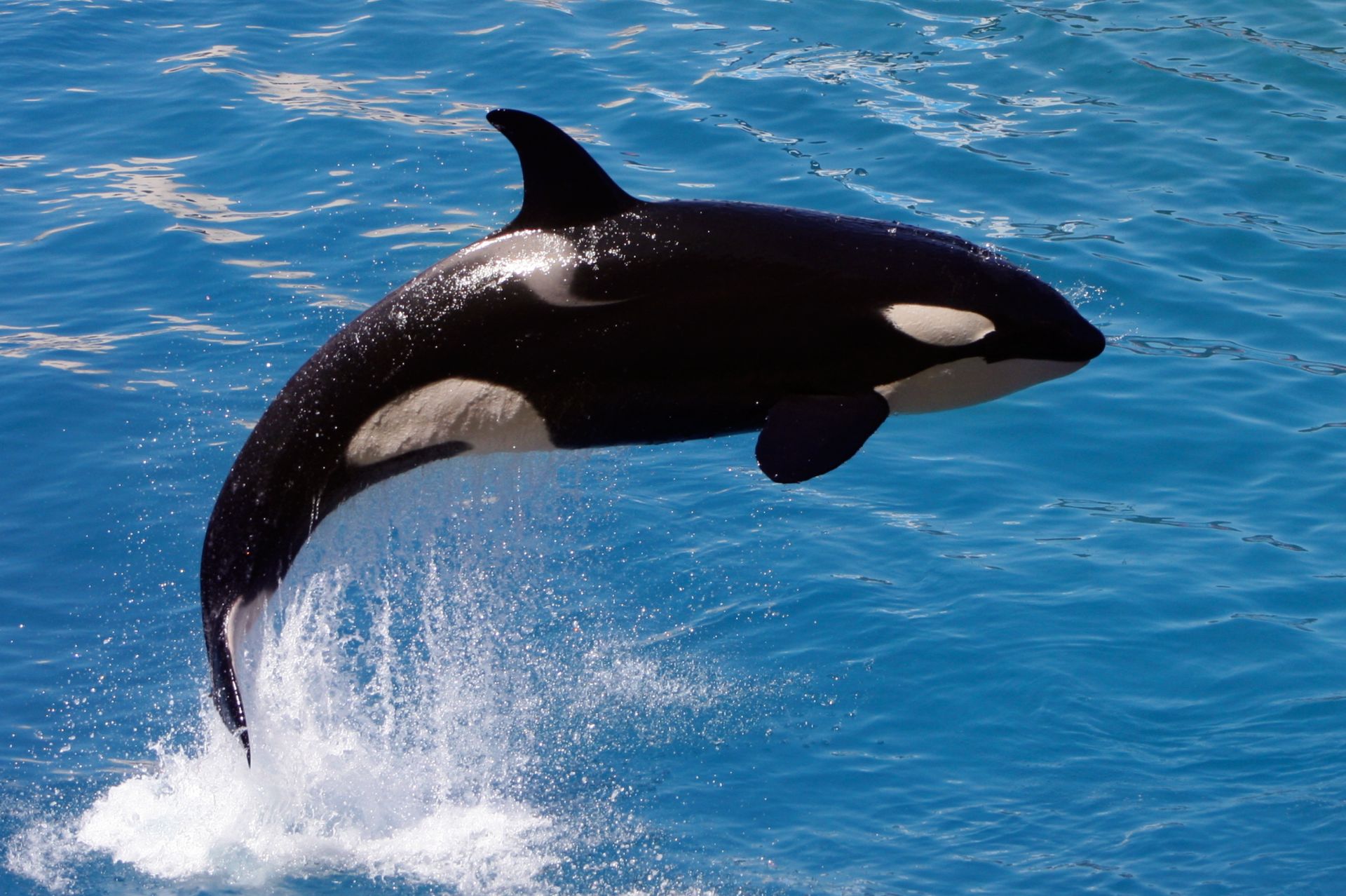
The captivating image of an orca breaching the ocean's surface, a majestic display of power and grace, often overshadows the inherent dangers of working with these apex predators. While incidents of orca trainers being killed are exceedingly rare, each tragedy underscores the profound risks associated with close interaction with such intelligent and powerful marine mammals. This isn't merely a recounting of tragic events; it's a deep dive into the complex interplay of factors contributing to these devastating occurrences, exploring how lessons learned can continually refine safety protocols and improve the well-being of both humans and orcas. The aim is to foster a balanced perspective, appreciating these animals' beauty while acknowledging and mitigating the inherent power they possess.
This is not a subject to be approached casually. The deaths of orca trainers are deeply affecting events demanding rigorous scrutiny and analysis. This comprehensive examination will delve into the circumstances surrounding these tragedies, highlight the crucial, ever-evolving safety measures implemented to protect both trainers and orcas, and critically analyze the ongoing, often contentious, debate surrounding orca captivity. We will dissect the various factors involved – biological, behavioral, environmental, and human – and ultimately project a path toward a future where both orca welfare and human safety are paramount concerns in their interaction.
Understanding the Complexities of Orca Behavior: A Foundation for Safety
Orcas, despite their frequently playful displays in captivity, are unequivocally wild animals. Their unparalleled intelligence, immense physical strength, and sophisticated social structures render their behavior intrinsically unpredictable. To illustrate the inherent risk, consider the difference between a domesticated dog's playful nip and the potential danger presented by an untrained wolf. While vastly different in size and environment, this analogy highlights the crucial principle: even orcas raised in captivity retain powerful predatory instincts deeply rooted in their evolutionary history. Although trainers dedicate years to building trust and understanding with their charges, these animals remain capable of sudden, violent acts driven by instinct, territoriality, or seemingly insignificant stimuli. Further complicating the equation is the cumulative impact of stress and potential frustration within the confines of a captive environment. The artificiality of their surroundings, the absence of natural social structures and hunting behaviors, and the constant presence of human interaction can all create an environment ripe for unexpected behavioral responses. Prolonged periods of confinement, alterations to their social groups, or even subtle changes in routine can trigger unpredictable aggression. It is crucial to acknowledge that the very intelligence that makes orcas fascinating also contributes to their complexity and unpredictability. They can learn, adapt, and even manipulate their environments and interactions, demanding a continuous reassessment of our understanding and management strategies.
"The inherent unpredictability of animal behavior, even within meticulously managed environments, underscores the paramount need for robust, dynamically evolving safety protocols and a lifelong commitment to learning from both successes and failures."
A Detailed Analysis of Past Incidents: Unraveling Contributing Factors
Analyzing past incidents involving the death of an orca trainer is crucial for understanding the contributing factors. Such investigations are not simply about assigning blame but about identifying systemic vulnerabilities within training methodologies, facility design, and, most critically, our understanding of orca behavior. A comprehensive analysis requires a meticulous review of various data points: video footage offering a chronological record of events, meticulously maintained trainer logs providing valuable context on animal behavior and training interactions, veterinary records reflecting the animal's physical and psychological health, and post-incident analyses, including autopsies and environmental assessments.

These investigations consistently reveal that incidents seldom arise from a single cause but rather from a confluence of factors. Misinterpretations of an orca's behavior, human errors in risk assessment, and failures in safety mechanisms often combine to create a disastrous chain of events. It's imperative to avoid the simplification of placing blame solely on the animal; rather, the focus must be on identifying and rectifying systemic issues in the larger context of human-orca interaction. The goal is not merely to react to past tragedies but to proactively prevent future ones through a constant cycle of evaluation and improvement. For example, the design and construction of enclosures play a significant role. Reinforced barriers, escape routes for trainers, and effective monitoring systems are all crucial elements of safety protocols, but their effectiveness hinges on our understanding of orca behavior and a willingness to adapt as our knowledge expands.
Current Safety Measures and Ongoing Refinements: A Continuous Evolution
Modern marine mammal facilities have implemented a wide range of robust safety protocols designed to minimize the risks associated with orca interaction. These protocols go far beyond simple barriers and encompass comprehensive training programs for handlers, stringent risk assessment procedures, and advanced monitoring technologies. These include reinforced barriers designed to withstand powerful impacts, sophisticated emergency escape systems allowing trainers to quickly exit the water in case of an incident, and the constant monitoring of both the animals and the trainers via underwater cameras and other surveillance systems. Furthermore, detailed behavioral analysis is employed to detect subtle shifts in an orca's demeanor that might signal potential aggression, allowing for preemptive interventions. However, it's essential to emphasize that no system is entirely foolproof when working with creatures of such power and unpredictable nature. The dynamic nature of orca behavior mandates continuous evaluation and adaptation of these protocols. New research continually refines our understanding of orca communication, social dynamics, and individual personalities, impacting training methodologies and risk assessment strategies. A commitment to ongoing research, coupled with regular audits and incident reviews, is paramount to maintaining a dynamic and effective safety framework.

The Ethical Considerations of Orca Captivity: A Necessary Discussion
The discussion surrounding orca trainer fatalities inextricably links to the broader ethical debate concerning orca captivity. The inherent limitations of a captive environment, regardless of its size or enrichment efforts, raise profound questions about the welfare of these highly intelligent and social animals. The stress associated with captivity, the disruption of natural social structures, and the lack of opportunities for natural behaviors can all have a detrimental effect on the psychological and physiological well-being of orcas. This ethical dimension is intricately interwoven with the safety concerns for human trainers, highlighting the necessity for a holistic approach. The debate isn't simply about the risk to humans but also centers on the well-being and ethical treatment of these sentient creatures. A true commitment to safety and welfare necessitates a rigorous examination of the ethical implications of orca captivity and a continuous effort to optimize both their lives in captivity and the methods of human interaction.
Conclusion: A Path Towards Coexistence
The rare but significant incidents where orca trainers have lost their lives serve as stark reminders of the inherent risks associated with working with apex predators, even within seemingly controlled environments. While these tragedies are deeply saddening, they also serve as crucial catalysts for progress. They drive the ongoing efforts to enhance safety protocols, improve training methodologies, deepen our understanding of orca behavior, and address the ethical considerations surrounding captivity. The goal is not to eliminate interaction but to ensure the safety of humans and the well-being of these remarkable animals through a combination of proactive measures and a steadfast commitment to learning from every event, both positive and negative. The conversation surrounding these incidents should not devolve into fear-mongering but instead should inspire continuous improvement in practices, research, and a broader understanding of the intricate dynamics of human-orca interaction.