Mastering StatSig: A Deep Dive into Feature Flagging and A/B Testing for Data-Driven Decision Making

Table of Contents
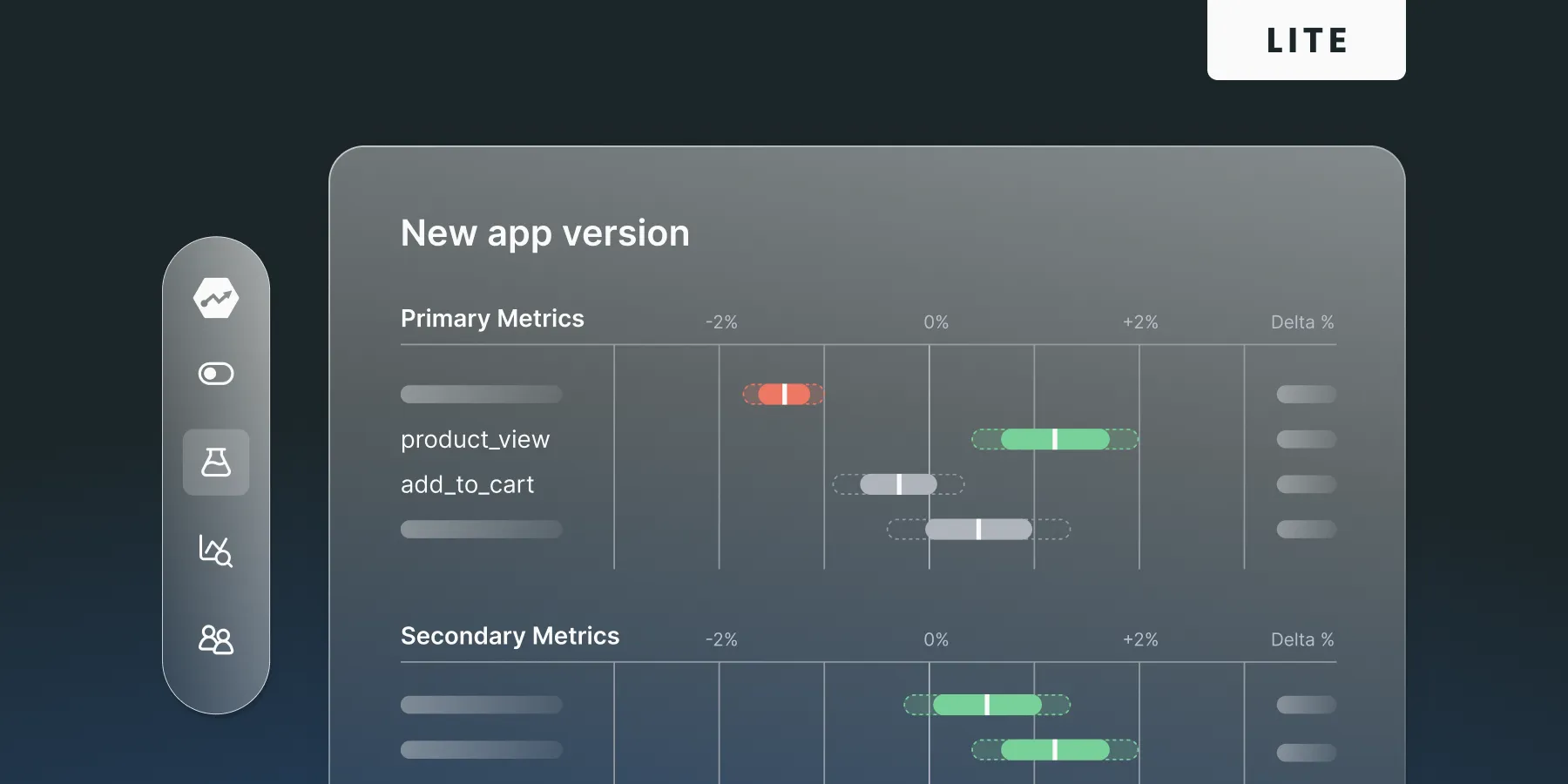
StatSig is a powerful platform designed to revolutionize data-driven decision-making within organizations. Its core functionality centers on robust feature flagging and A/B testing capabilities, providing a statistically sound framework for confidently optimizing products and services. This comprehensive guide delves into the intricacies of StatSig, exploring its key functionalities, highlighting its advantages over traditional methods, and offering practical strategies to maximize its potential within your organization. For teams committed to data-informed product development, understanding and effectively utilizing StatSig is paramount to achieving sustainable success and a competitive edge in today's rapidly evolving market. The platform's sophisticated statistical analysis significantly minimizes the risks associated with less rigorous approaches, leading to more accurate interpretations, better product outcomes, and ultimately, a higher return on investment.
Key Takeaways
Statistically Rigorous Analysis: StatSig delivers statistically rigorous analysis of A/B test results, significantly reducing the likelihood of false positives and ensuring the reliability of conclusions drawn from experimental data. This minimizes the risk of implementing features or design changes that ultimately prove ineffective, detrimental to user experience, or even harmful to overall business goals. The platform employs advanced statistical methodologies to account for nuances often overlooked by simpler testing tools, resulting in a more robust and accurate understanding of experimental outcomes.
Streamlined Development Lifecycle: Implementing StatSig streamlines the entire feature development and deployment lifecycle. By facilitating efficient feature flagging and A/B testing, the platform dramatically reduces the time and resources traditionally required for these processes. This accelerated development cycle allows for quicker iteration, faster response to user feedback, and a more agile approach to product improvement. The ability to rapidly test and deploy new features empowers teams to adapt quickly to market changes and user preferences, leading to a more competitive and responsive product.
Seamless Integration and Minimal Disruption: StatSig's seamless integration with existing workflows and development practices minimizes disruption and simplifies adoption. The platform is designed to complement, not replace, existing systems, allowing for a smooth transition and maximizing the utilization of existing infrastructure and expertise. This ease of integration is crucial for minimizing organizational friction and ensuring a swift return on investment. The platform's intuitive interface and well-documented API facilitate quick onboarding and minimize the learning curve for development teams.
Data-Driven Culture Fostering: Beyond its technical capabilities, StatSig fosters a data-driven culture within organizations. By providing clear, actionable insights from A/B tests and feature flag data, the platform encourages teams to make decisions based on empirical evidence rather than assumptions. This shift towards data-informed decision-making results in more effective product strategies, improved resource allocation, and ultimately, greater overall success.
Understanding Feature Flags with StatSig: Controlled Releases and Iterative Development
Feature flags represent a cornerstone of StatSig's functionality, enabling the controlled release of features to specific subsets of users. This granular control offers unparalleled flexibility in managing software releases, mitigating risks, and facilitating iterative development processes. Instead of deploying features to the entire user base simultaneously – a process that can be risky and disruptive – feature flags allow developers to release new functionalities to carefully targeted groups of users. This modular approach, implemented through what are essentially on/off switches for specific features within the application, provides several significant advantages, significantly reducing the risk associated with large-scale deployments.
Imagine the ability to deploy a new feature to a small percentage of your user base, segmented geographically, by user demographics (e.g., age, location, device type), or based on user behavior (e.g., engagement level, purchase history). StatSig's feature flagging system empowers this type of granular control, facilitating A/B testing and continuous monitoring. The platform allows for real-time monitoring of key performance indicators (KPIs) associated with the newly released feature. Should problems arise – from unexpected bugs to negative user feedback – the feature can be quickly rolled back to its previous state, minimizing disruption to the overall user experience and preventing widespread negative impacts. This level of control is particularly important for high-impact features or changes that have the potential for significant system-wide effects, such as changes to the core user interface or payment gateway integration.

The strategic value of feature flags extends beyond mere technical implementation; they fundamentally alter the agility and risk tolerance of the development process. By enabling the controlled deployment and rollback of features, feature flags empower a culture of experimentation and continuous improvement. Developers are encouraged to release features more frequently and with less trepidation, knowing they can quickly address any unforeseen issues or negative user feedback. This accelerated iteration cycle leads to faster product development, enhanced user experiences, and ultimately, a more competitive product in the marketplace. Furthermore, the data gathered during these controlled releases provides invaluable insights into user behavior and feature effectiveness, informing future development decisions and contributing to a data-driven development culture. This iterative approach allows for continuous optimization, ensuring the product evolves in line with user needs and market demands.
Optimizing A/B Testing with StatSig: Statistically Rigorous Comparisons and Reliable Insights
StatSig provides a robust framework for conducting statistically sound A/B tests, significantly exceeding the capabilities of simpler testing tools. Unlike methods that may overlook crucial factors or rely on simplistic statistical measures, StatSig incorporates sophisticated statistical analysis techniques to ensure the accuracy and reliability of test results. This rigorous approach minimizes the risk of false positives – a common pitfall in less sophisticated A/B testing methods – thus reducing the likelihood of making incorrect decisions based on flawed data analysis. This is particularly crucial in situations where decisions based on A/B test results have significant financial or reputational implications.
A well-designed A/B test using StatSig involves randomly assigning users to different groups – control and experimental groups – each exposed to a different version of the feature or user experience under evaluation. By employing randomization, StatSig eliminates bias and ensures a fair and unbiased comparison between the groups. The platform then meticulously monitors pre-defined success metrics for each group, tracking key performance indicators (KPIs) such as conversion rates, engagement levels (e.g., time spent on page, click-through rates), retention rates, or other metrics relevant to the specific feature or design change being tested. The selection of appropriate KPIs is critical to the success of the A/B test, ensuring that the results accurately reflect the desired outcomes.
The power of StatSig lies in its ability to accurately analyze the data collected during the A/B test and determine statistically significant differences between the control and experimental groups. This analysis goes beyond simple comparisons; it accounts for factors that can influence results, such as sample size, variation within groups, and the inherent randomness of user behavior. The platform provides comprehensive reports and visualizations, making it easy to understand the results and draw reliable conclusions from the experimental data. These reports include statistical measures such as p-values, confidence intervals, and effect sizes, providing a clear and comprehensive picture of the test results.
💡 Pro Tip: Prior to launching any A/B test within StatSig, meticulously define your success metrics. Establishing clear, measurable, and relevant KPIs ensures that the results of your test are accurately interpreted, avoiding ambiguity and facilitating objective decision-making. A well-defined set of success metrics ensures that the test is focused on achieving specific, predetermined goals and avoids the potential pitfalls of chasing irrelevant or misleading data points. Consider also the potential for unintended consequences, and include metrics to assess for any negative side effects.
Frequently Asked Questions (FAQ)
What are the primary benefits of using StatSig over simpler A/B testing tools?
StatSig distinguishes itself through its statistically rigorous analysis, addressing limitations often found in less sophisticated tools. Its ability to account for a wider range of factors that influence A/B test results translates to reduced false positives and more reliable insights, leading to data-driven product decisions based on sound statistical foundations. The platform also enhances the efficiency of the development process through seamless integration with existing workflows, streamlining the feature management lifecycle and allowing for a smoother transition into a more data-driven development approach. In essence, StatSig not only improves the accuracy of A/B testing but also optimizes the entire development process, leading to faster iteration cycles, improved product outcomes, and a significant return on investment. Furthermore, StatSig's advanced reporting and visualization features provide a much richer understanding of the data, enabling more informed and strategic decision-making.
Conclusion: Embracing StatSig for a Data-Driven Future
StatSig offers a powerful and comprehensive solution for organizations seeking to leverage the power of feature flagging and statistically rigorous A/B testing. By integrating StatSig into your development workflow, you empower your team to release features with greater confidence, rapidly iterate based on user feedback, and make informed, data-driven decisions that directly influence product success. The platform's capabilities extend beyond simple A/B testing; it cultivates a culture of data-driven decision-making, promoting continuous improvement and fostering a more agile and responsive development process. Choosing StatSig is not simply a technical upgrade; it represents a strategic investment in your product's future and a commitment to building a more robust and successful product through rigorous data analysis and experimentation. In the competitive landscape of today's market, embracing a data-driven approach powered by tools like StatSig is no longer a luxury but a necessity for sustained success.