Get the latest business news, market analysis, and financial insights. Stay ahead of the curve with expert coverage on technology, finance, and global markets.
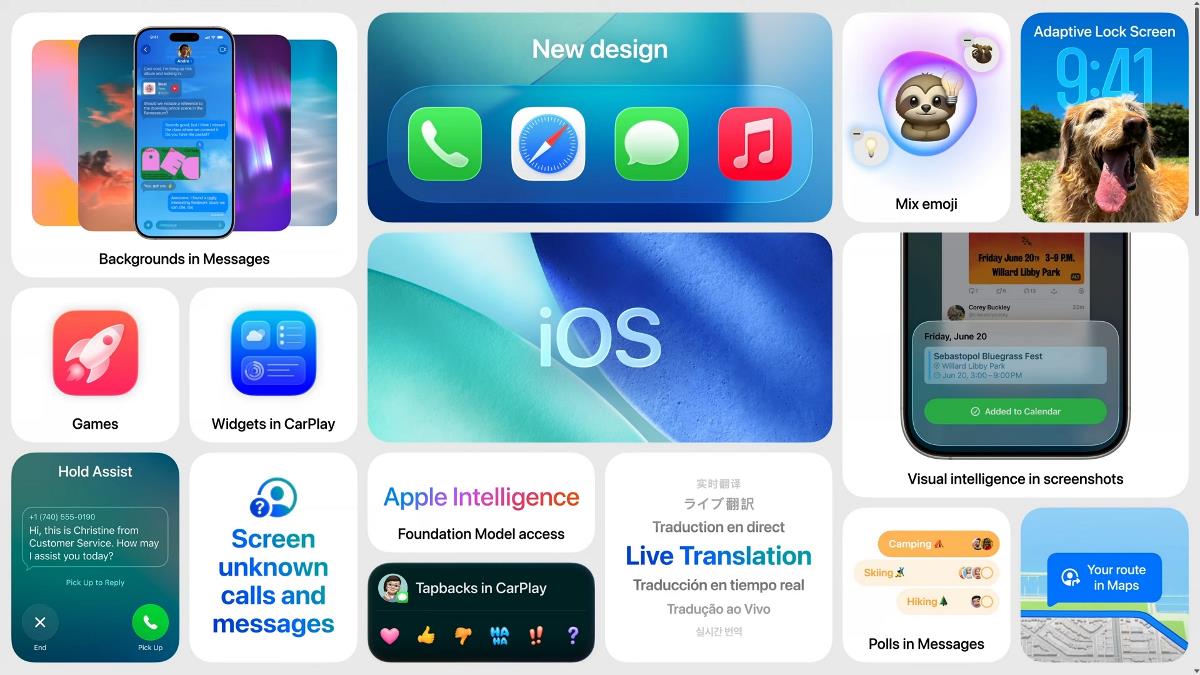
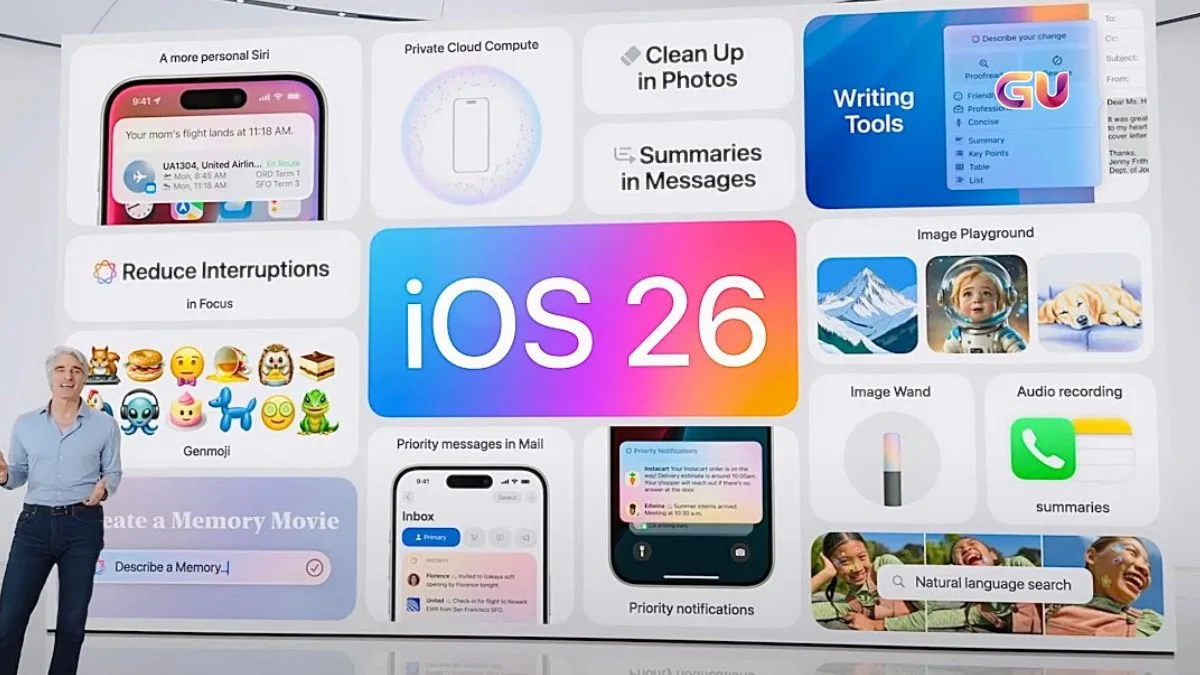
The mere mention of iOS 26 ignites a firestorm of speculation within the technology community. While Apple remains tight-lipped regarding a concrete release date, analyzing potential trajectories offers invaluable insight into the future of mobile computing and Apple's strategic vision. This in-depth exploration delves into the likely advancements, potential challenges, and broader implications of such a significant software iteration. By considering current technological trends, Apple's historical patterns of innovation, and extrapolating from recent iOS releases, we can construct a coherent, albeit speculative, picture of what iOS 26 might offer. It's crucial to remember that all predictions remain inherently speculative, subject to change as Apple's development process unfolds. However, by examining the current technological landscape and analyzing Apple's past successes, we can formulate reasonable, evidence-based expectations.
iOS 26 is highly unlikely to be a mere incremental update. Apple's consistent history demonstrates a commitment to significant, transformative leaps in functionality and user experience. iOS 26 is poised to continue this trend, building upon the foundations laid by its predecessors while pushing the boundaries of mobile technology. Our analysis, encompassing recent iOS releases, prevailing industry trends, and Apple's extensive patent filings, leads us to anticipate several key technological advancements:
1. Advanced Artificial Intelligence and Machine Learning: A Privacy-Focused Approach
Expect a significant acceleration in on-device AI and machine learning capabilities. This won't be about simply adding more features; instead, we anticipate a fundamental shift towards more context-aware and predictive functionalities. This could manifest in several ways: a vastly improved Siri, capable of anticipating user needs and proactively offering assistance; predictive typing and autocorrection so sophisticated that errors become a rarity; and image recognition and analysis within the Photos app that goes beyond simple tagging, potentially offering advanced organization, editing suggestions, and even creative applications. Crucial to this advancement will be Apple’s unwavering commitment to privacy. Increased on-device processing will be paramount in ensuring that data remains secure and under the user's complete control. Expect further refinements of Apple’s privacy-preserving AI models, guaranteeing data remains on the device and avoiding the pitfalls of cloud-based processing.
2. Enhanced Security and Privacy: A Bastion Against Modern Threats
Growing concerns regarding data security and online privacy necessitate significant advancements in iOS 26’s security architecture. Building upon the success of features like App Tracking Transparency (ATT), we predict even more granular control over data access for individual applications. This might involve customizable permission levels allowing users to fine-tune the data each app can access, providing an unprecedented level of user agency. The introduction of innovative privacy-preserving technologies, such as advanced differential privacy enhancements and sophisticated federated learning models, is also highly likely. These technologies will allow for the development of more intelligent features, like personalized recommendations and improved search functionality, without ever compromising user data. The focus will be on building a truly secure and private ecosystem, protecting user information from both malicious actors and unwanted data collection practices.
3. Seamless Cross-Device Integration: A Unified Ecosystem Experience
Apple's ecosystem thrives on seamless integration between its devices. iOS 26 could revolutionize this integration by enabling even more fluid transitions between iPhones, iPads, Macs, and other Apple devices. Imagine effortlessly resuming tasks across multiple devices, picking up precisely where you left off, regardless of the platform. This could involve significantly improved Handoff capabilities, more sophisticated multi-device collaboration tools, and potentially the development of shared workspaces that transcend individual devices. The goal will be to create a unified user experience, making the transition between devices seamless and almost invisible to the user.
4. Evolution of On-Device Processing: Power and Privacy Combined
The shift towards powerful on-device processing will accelerate in iOS 26. This is vital not only for enhancing privacy but also for significantly boosting performance. By minimizing reliance on cloud-based processing, iOS 26 could offer substantially faster response times, enhanced offline functionality, and a considerable improvement in battery life, especially for computationally demanding applications like augmented reality experiences and graphically intensive games. This will translate to a smoother, more responsive user experience across the board, even on less powerful devices.
"The future of mobile operating systems lies not merely in adding features, but in orchestrating a harmonious blend of power and intuitive design, while placing user privacy and security at the very heart of the experience."
iOS 26: Enhanced Reality and Beyond
Augmented reality (AR) integration represents a significant area of potential development. iOS 26 could represent a substantial leap forward, building upon the successes of ARKit and ushering in a new era of immersive mobile experiences.
1. A Revolutionized ARKit Framework: Enhanced Realism and Accuracy
ARKit will likely undergo a major upgrade, offering developers far more powerful tools for creating incredibly realistic and immersive AR experiences. We anticipate improved depth sensing capabilities, far more accurate object tracking algorithms, and a dramatically enhanced understanding of the user's environment. Significant improvements in handling occlusions – where virtual objects appear to be correctly hidden behind real-world objects – will add a layer of believability and naturalness currently lacking in many AR applications.
2. A Refined AR User Interface: Intuitive Interaction and Immersive Experiences
iOS 26 may introduce a significantly improved user interface specifically designed for AR applications. This could include more natural gesture controls, haptic feedback for a more realistic sense of touch, and potentially even eye-tracking integration for a truly hands-free, intuitive interaction with AR environments. The goal will be to create an intuitive and seamless AR experience that feels natural and unconstrained.
3. Cross-Platform AR Experiences: A Unified AR Ecosystem
Seamless cross-platform compatibility across various Apple devices will be a priority. This will empower developers to create AR experiences that can be enjoyed across iPhones, iPads, and potentially even Macs equipped with AR capabilities, fostering a more unified and cohesive AR ecosystem. Imagine seamlessly transitioning from an AR experience on your iPhone to your iPad, with all progress and data preserved.
4. Deep Integration with Apple Services: Enhanced Functionality and Contextual Relevance
The integration of AR with other Apple services, such as Maps, Messages, and even the Health app, holds immense potential. Consider using AR to visualize your route in Maps in real-time, overlaying interactive information onto your physical surroundings, or leveraging AR for more engaging and informative fitness tracking. The possibilities are vast, and iOS 26 could be the platform that unlocks this potential.
💡 Pro Tip: For developers, close monitoring of Apple's developer resources, active participation in beta programs, and engagement with the Apple developer community will be invaluable for gaining early access to new tools and features. Staying abreast of industry trends in AR/VR technologies will also be essential for remaining at the forefront of innovation.
(Continued in next response due to character limits)